
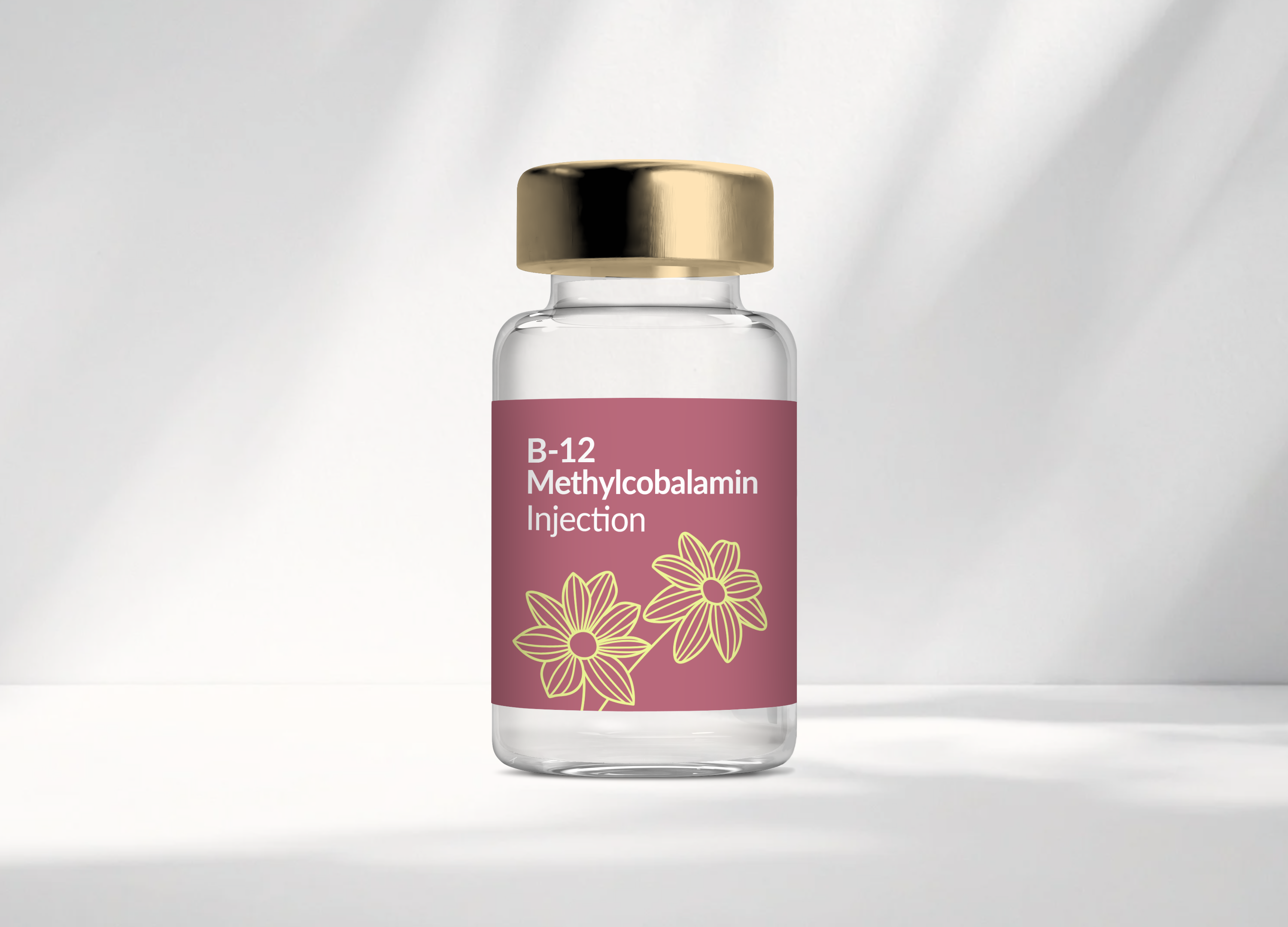
B12 Methylcobalamin
This treatment is available as a 3-month program. Your upfront payment is $360 ($120/month for 3 months).
Treatment Information
Description
Methylcobalamin is the active, coenzyme form of vitamin B12 (cobalamin), meaning it is immediately available for use by the body without requiring metabolic conversion. As one of only two bioactive forms of B12 found in human metabolism, methylcobalamin plays a critical role in numerous enzymatic reactions essential for human health. It serves as a vital cofactor in DNA synthesis and cellular division, making it particularly important for rapidly dividing cells such as those in the bone marrow responsible for red blood cell production. Methylcobalamin is also essential for maintaining the myelin sheath that protects nerve cells, supporting proper neurological function, nerve regeneration, and cognitive health. Additionally, it functions as a methyl donor in the metabolism of homocysteine to methionine, helping to maintain healthy homocysteine levels.
While vitamin B12 is naturally present in animal-based foods including meat, fish, poultry, eggs, and dairy products, many individuals develop deficiency despite adequate dietary intake. Common causes of B12 deficiency include impaired absorption due to decreased intrinsic factor or stomach acid production (which naturally decline with age), gastrointestinal conditions such as pernicious anemia, Crohn's disease, or celiac disease, gastric surgery or intestinal resection, certain medications including metformin, proton pump inhibitors, and H2 blockers, and dietary restrictions such as vegetarian or vegan diets. Symptoms of deficiency can develop gradually and may include fatigue, weakness, neurological changes such as numbness or tingling, cognitive difficulties, memory problems, mood disturbances, and megaloblastic anemia.
Injectable methylcobalamin bypasses the digestive system entirely, providing direct absorption into the bloodstream regardless of gastrointestinal function or intrinsic factor availability. This delivery method ensures optimal bioavailability and can effectively correct deficiency states and maintain adequate B12 levels over time. Because methylcobalamin is already in its active form, it may offer advantages for neurological support and individuals with genetic variations affecting B12 metabolism.
What To Expect
B-12 methylcobalamin injections are typically administered intramuscularly or subcutaneously. Many patients experience noticeable improvements in energy levels, mental clarity, and overall well-being within days to weeks of beginning treatment, particularly if deficiency was present prior to therapy. Neurological symptoms may take longer to improve and require consistent supplementation. For individuals with severe deficiency, initial loading doses may be administered more frequently before transitioning to a maintenance schedule.
Treatment frequency depends on the severity of deficiency, underlying causes, and individual response to therapy. Maintenance protocols commonly range from weekly to monthly injections. Your healthcare provider may recommend baseline and follow-up laboratory testing to assess B12 levels, complete blood counts, and methylmalonic acid or homocysteine levels to guide treatment decisions and monitor therapeutic response. Most patients tolerate methylcobalamin injections very well with minimal side effects.
How To Use
Safety Information
B-12 methylcobalamin injections are considered very safe with minimal risk of adverse effects, as excess B12 is readily excreted by the kidneys. Potential side effects are rare but may include mild injection site reactions, temporary diarrhea, itching, or allergic reactions in sensitive individuals. Inform your provider if you have Leber's disease (a rare hereditary eye condition), polycythemia vera, or any known allergies to cobalamin or cobalt. Methylcobalamin may interact with certain medications; inform your provider of all medications and supplements you are taking.